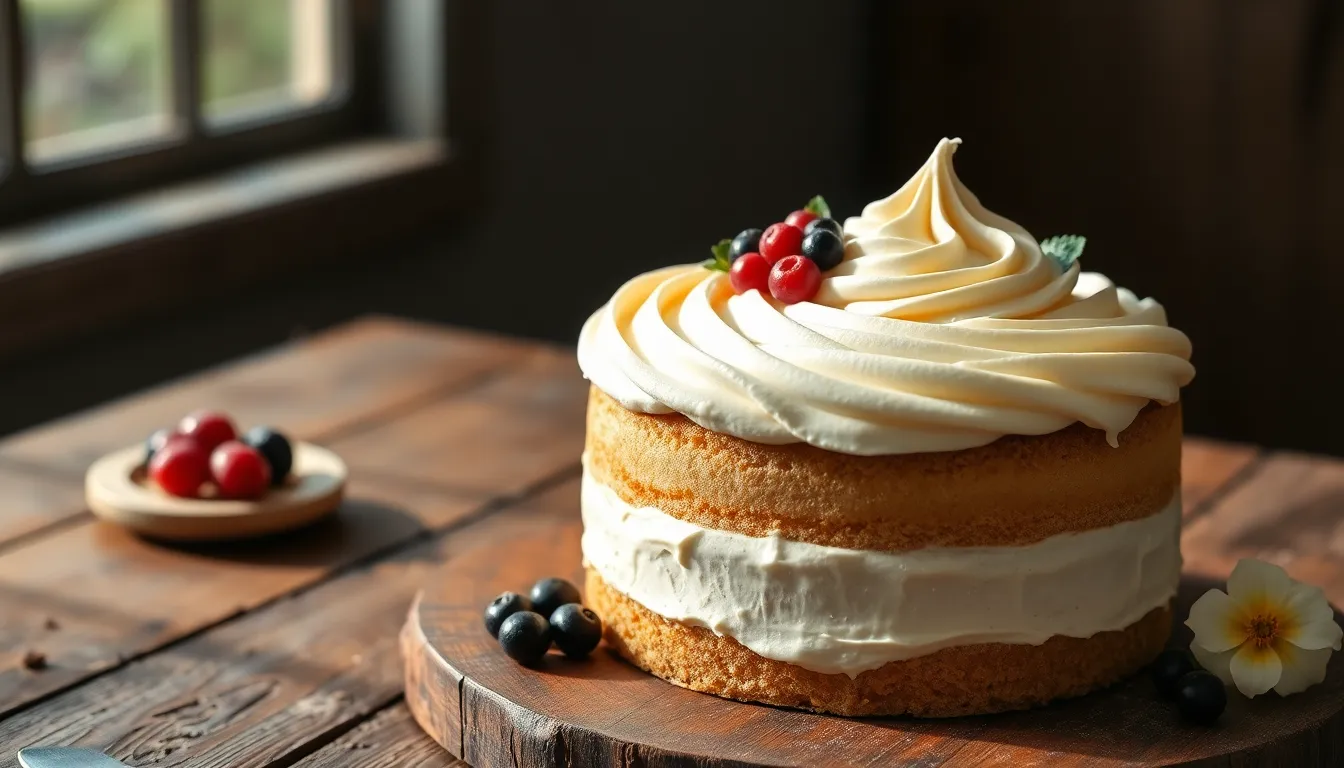
Perfect White Chocolate Buttercream: Your Versatile Dessert Frosting
Imagine a frosting that's as elegant as it is easy to make, a creamy dream that elevates any dessert from simple treat to bakery masterpiece. We’re talking about the magic of white chocolate buttercream. This isn't just another frosting; it’s a luxurious, velvety delight that has transformed the baking game for countless home cooks and professional bakers alike. The moment you discover this incredible white chocolate buttercream recipe, you'll understand why it quickly becomes a staple in your kitchen. What sets white chocolate buttercream apart from its more common vanilla counterpart is its sophisticated flavor profile. It’s more than just sweetness; it introduces a delicate, yet distinct, vanilla undertone and an unparalleled silky smoothness, thanks to the rich cocoa butter content in quality white chocolate. This combination creates a truly indulgent experience that complements a vast array of desserts without overpowering them. Whether you're decorating an elaborate wedding cake, crafting whimsical birthday cupcakes, or simply enhancing your favorite cookies, this frosting delivers a touch of class and an irresistible taste that always leaves a lasting impression. Best of all, achieving this bakery-quality result is surprisingly straightforward, requiring just a few quality ingredients and our foolproof method.Why White Chocolate Buttercream is Your Next Go-To Frosting
The allure of white chocolate buttercream lies in its unique blend of subtlety and indulgence, coupled with its incredible versatility. It strikes a perfect balance, offering a sweet richness without being cloyingly sugary, making it a beloved choice for a wide spectrum of palates.Here’s why this frosting is poised to become your new favorite:
- Unrivaled Flavor and Texture: Unlike simple vanilla frostings, the inclusion of white chocolate provides a nuanced, creamy flavor that’s both delicate and deeply satisfying. Its texture is exceptionally smooth and velvety, making every bite a luxurious experience.
- Incredible Versatility: This buttercream truly shines because of how well it pairs with an extensive list of desserts. It’s particularly delightful with:
- Chocolate Cupcakes: The perfect contrast, a classic pairing that never disappoints.
- Raspberry Cupcakes: The tartness of raspberries cuts through the sweetness beautifully.
- Vanilla Cupcakes: Elevates a simple vanilla base with a sophisticated twist.
- Coconut Cupcakes: A tropical dream when combined with the delicate white chocolate notes.
- Red Velvet Cake: A fantastic alternative to cream cheese frosting, offering a smoother, less tangy profile.
- Cookies & Macarons: Its stable consistency makes it ideal for filling or decorating. Try it on gingerbread for a holiday treat that looks as good as it tastes!
- Surprisingly Simple to Master: Despite its sophisticated appeal, making this buttercream is incredibly easy. With just a handful of common pantry staples and a few key techniques, you can achieve a frosting that pipes beautifully, holds its shape, and tastes absolutely divine, far surpassing anything you'd find in a store.
Mastering the Silky Smooth White Chocolate Buttercream Recipe: Ingredients & Equipment
Creating the perfect white chocolate buttercream begins with understanding the role of each ingredient and ensuring you have the right tools at hand. Quality ingredients are paramount to achieving that coveted silky texture and exquisite flavor.Essential Ingredients:
This Master Silky White Chocolate Buttercream with 4 Simple Ingredients recipe relies on a straightforward list, but choose wisely:
- White Chocolate Chips (or Bar): 1 cup (approximately 6 ounces). This is the star of the show, so don't skimp on quality. Opt for good quality white chocolate with a higher cocoa butter content (look for at least 20%). Cheaper "white baking chips" often contain less cocoa butter and more sugar or vegetable fats, which can affect both flavor and consistency.
- Confectioners' Sugar (Powdered Sugar): 2¼ cups, or more as needed. This provides the structure and sweetness. Always sift your confectioners' sugar before adding it to avoid lumps, ensuring an ultra-smooth buttercream.
- Unsalted Butter: ½ cup (1 stick), softened to room temperature. Using unsalted butter allows you to control the salt content in your frosting. Room temperature is crucial! If the butter is too cold, it won't cream properly, leading to a lumpy, dense frosting. If it's too warm, your buttercream might become greasy and separated. It should be soft enough to indent with a finger but not melted.
- Milk (Optional): 1 tablespoon, or as needed. This is your consistency adjuster. A splash of milk (whole milk, half-and-half, or even heavy cream works beautifully) can thin out a too-thick frosting, giving it that perfect pipeable consistency.
- Optional Flavor Enhancers: A tiny pinch of salt can balance the sweetness, and a few drops of pure vanilla extract can enhance the overall flavor profile, complementing the natural vanilla notes of the white chocolate.
Recommended Equipment:
While minimal, having the right tools makes a significant difference in achieving a professional finish:
- Electric Mixer: A stand mixer with a paddle attachment is ideal for whipping air into the butter and sugar, creating a light and fluffy buttercream. A hand-held electric mixer will also work perfectly.
- Microwave-Safe Glass or Ceramic Bowl: For melting the white chocolate safely and evenly.
- Large Mixing Bowl: Essential for combining and beating your ingredients.
- Rubber Spatula: For scraping down the sides of the bowl, ensuring all ingredients are incorporated.
- Measuring Cups and Spoons: Accuracy is important for consistent results.
Step-by-Step Guide to Perfect White Chocolate Buttercream
Follow these precise steps to craft a beautiful, stable, and utterly delicious white chocolate buttercream.- Gather and Prepare: Start by gathering all your ingredients. Ensure your unsalted butter is at true room temperature. If your confectioners' sugar tends to clump, sift it before beginning to prevent a lumpy frosting. This prep work saves time and ensures a smooth process.
- Melt the White Chocolate: Place your white chocolate chips or chopped bar into a microwave-safe glass or ceramic bowl. Heat in 15-second intervals, stirring thoroughly after each interval. White chocolate can seize easily if overheated, so gentle melting is key. Continue until the chocolate is smooth and fully melted, which typically takes 1 to 3 minutes. Once melted, set it aside to cool completely. This cooling step is critical! If you add hot chocolate to your butter, it will melt the butter and create a greasy, separated mess.
- Cream Butter and Sugar: In your large mixing bowl (or the bowl of your stand mixer), place the softened butter and about half of the sifted confectioners' sugar. Beat with your electric mixer on medium speed until well combined. Gradually add the remaining confectioners' sugar in batches, beating after each addition until fully incorporated. Continue beating the mixture on medium-high speed for 3-5 minutes. This creaming process is vital; it incorporates air, making the buttercream light, fluffy, and pale in color. Scrape down the sides of the bowl frequently to ensure even mixing.
- Incorporate Cooled White Chocolate: Once your butter and sugar mixture is light and fluffy, add the *cooled* melted white chocolate. Mix on medium-low speed until the white chocolate is fully incorporated and the mixture is smooth and cohesive. Be careful not to overmix at this stage.
- Adjust Consistency (if needed): This is where you fine-tune your buttercream.
- If the frosting is too thick: Beat in milk, ½ teaspoon at a time, until it reaches your desired consistency for spreading or piping. Start slow; a little goes a long way.
- If the frosting is too runny: Beat in more confectioners' sugar, 1 tablespoon at a time, until it thickens up to your liking.
Tips for Troubleshooting and Achieving Bakery-Quality Results
Even with a foolproof white chocolate buttercream recipe, sometimes things don't go exactly as planned. Here are some expert tips for troubleshooting and ensuring your frosting is always bakery-quality:- Temperature Control is King: We can't stress this enough.
- Butter: Must be at room temperature – soft but not greasy.
- Melted White Chocolate: Must be completely cooled. Adding warm chocolate will instantly melt your butter, leading to a soupy, greasy buttercream. If this happens, try chilling the bowl for 15-20 minutes and then re-beating.
- Dealing with Lumps: If your buttercream isn't perfectly smooth, it's usually due to unsifted confectioners' sugar or cold butter. Sifting your sugar beforehand is the easiest preventative measure. If lumps appear, continue beating on medium speed, or press the buttercream through a fine-mesh sieve for an ultra-silky finish.
- Greasy or Separated Buttercream: This often indicates a temperature issue (chocolate too hot, butter too warm). Don't panic! Place the entire bowl in the refrigerator for 15-20 minutes, then re-beat it on medium-high speed. The cooling will help the fats re-emulsify.
- Enhance the Flavor: A pinch of fine sea salt can balance the sweetness of the white chocolate and sugar, making the flavors pop. A dash of pure vanilla extract or even almond extract can also add another layer of complexity.
- Coloring Your Buttercream: For vibrant colors, use gel food coloring instead of liquid. Liquid food coloring can thin out your buttercream and require more confectioners' sugar to compensate. Add gel coloring in small amounts with a toothpick until you achieve your desired shade.
- Storage and Re-whipping: White chocolate buttercream stores beautifully. Keep it in an airtight container in the refrigerator for up to a week, or freeze it for up to a month. Before using, allow it to come to room temperature, then re-whip it with your electric mixer for a few minutes until it’s light, fluffy, and smooth again. You may need to add a splash of milk to restore its original consistency.
- Perfect Piping Consistency: For intricate piping work, your buttercream should be firm enough to hold its shape, but soft enough to flow without tearing. If it feels too stiff, add milk ½ teaspoon at a time. If it’s too soft, chill it for 10-15 minutes, then re-whip.
